

Ethernet cable of 6 materials and how to judge their quality
Leave a message
1 Ethernet cable of 6 materials and how to distinguish them.
We usually use Category 5e or Category 6 cables, but there are several types of cable materials used to meet national production standards. Don't be fooled or tempted by cheap prices when buying cables!
1.1 Four iron and four aluminum cables
Four iron and four aluminum cables are the lowest quality cables with poor transmission quality, and attenuation is likely to occur. The resistance of 100 meters is approximately 50Ω, and it can transmit a maximum of about 60 meters.
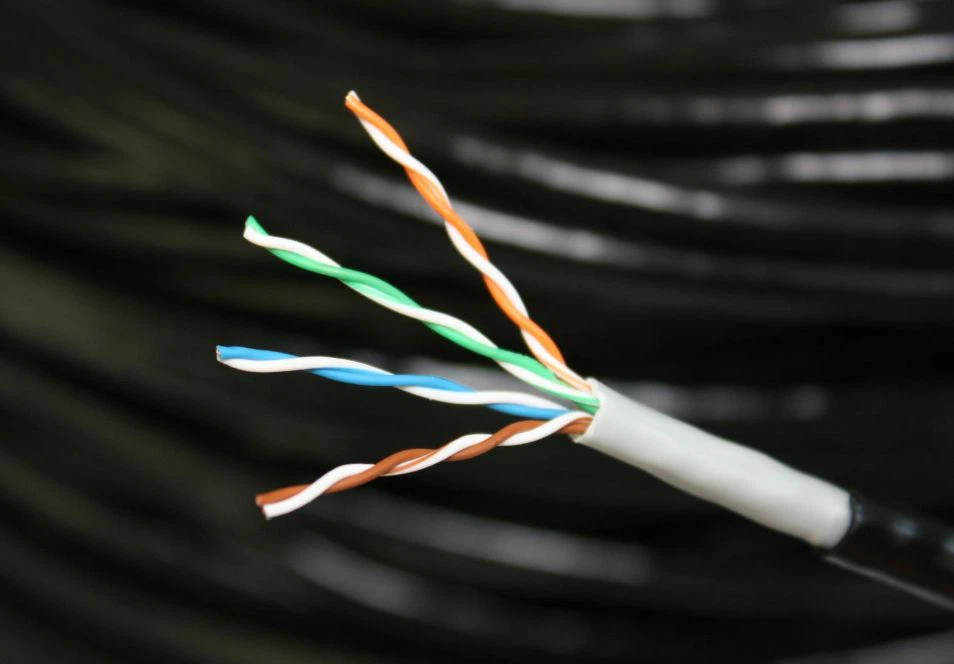
Differentiation is as follows: A. The inner wire skin of aluminum cable is not glossy and breaks easily when pulled. B. The simplest method is to use a magnet to attract the cable. If it is attracted, it proves that the cable contains iron. C. The four wire cores of iron and aluminum are made of different materials, and compared to all copper, materials such as copper-coated aluminum are much harder. D. Iron is very hard, and when burned, it will not soften quickly.
1.2 Copper-clad copper cable
Copper-clad copper cable refers to a layer of oxygen-free copper plated outside of bronze, so it is also called bronze cable. This type of cable is generally overlooked by most people, and there are not many people who know about it. The conductor of bronze cable belongs to secondary recycled copper, which contains more impurities. The resistance of 100 meters is approximately 40Ω, and it can transmit approximately 80 meters. It has strong oxidation resistance and long service life.
The resistance of bronze is much higher than that of ordinary copper-plated aluminum and oxygen-free copper, so the effective transmission distance of copper-clad bronze is much shorter than copper-clad aluminum. However, the physical properties of copper are relatively stable and not easy to oxidize, so the service life is longer. Although it looks the same on the surface, if burned, the oxygen-free copper layer on the surface of the copper will melt quickly.
The commonly referred 0.4 all-copper cable can actually only reach 80 meters, while the 0.45 all-copper cable can reach 90 meters, and the 0.5 all-copper cable can reach 100 meters.
1.3 Copper-clad aluminum cable
The material of copper-clad cable is a layer of oxygen-free copper wrapped around the copper or aluminum/steel alloy core surface. Because the conductivity of aluminum is worse than copper, the DC resistance of a copper-clad aluminum conductor is larger than that of pure copper conductors. If it is used for power supply, the copper-clad aluminum conductor will cause additional power consumption and a significant decrease in voltage. The resistance of 100 meters is approximately 28Ω, it is cheap and easy to sell, and it can transmit approximately 100 meters. It has poor oxidation resistance and short service life. The tensile strength of copper-clad aluminum is lower than that of copper conductors, so the cable body cannot be forcefully pulled during use.
Why is copper-clad aluminum cable more prone to oxidation?
Because copper and aluminum are two different metals with different electrodes, in humid environments, copper and aluminum, as well as a small amount of water vapor containing impurities, form an original battery. Aluminum is the negative electrode, and copper is the positive electrode. The metal aluminum is corroded, so it cannot be placed in a place with high air humidity.
So how can you tell if you are using a copper-clad aluminum cable when choosing a cable? You can burn the cable, and if the wire core quickly softens (this method of identification is very practical), it proves that the cable's copper core contains aluminum.
1.4 High-conductivity aluminum network cable
High-conductivity aluminum network cable is not just made of copper and silver components. In fact, it is a high-performance network cable made of copper-aluminum-silver alloy, also known as copper-clad silver. It has the characteristics of low resistance and long transmission distance. Compared with all-copper and iron-aluminum network cables, its resistance is about 20Ω per 100 meters, and it can transmit up to 120 meters, but its oxidation resistance is poor, and its lifespan is not long. High-conductivity aluminum network cable is mainly divided into three types: copper-clad aluminum network cable (aluminum in the middle, thin oxygen-free copper layer on the surface), high-conductivity aluminum network cable (imported aluminum, surface plated with copper), and copper-clad silver network cable (imported aluminum, fully plated with copper layer).
1.5 Copper-clad silver network cable
The main material of copper-clad silver network cable is imported aluminum, with a higher purity than copper-clad aluminum network cable and high-conductivity aluminum network cable. Both the inner and outer sheaths are made of new materials. Its resistance is about 15Ω per 100 meters, and it can transmit up to 150-180 meters, but its oxidation resistance is poor, and its lifespan is not long.
Because copper-clad silver can transmit signals over a longer distance, it is generally used in situations such as ADSL, computer rooms, supermarkets, and warehouses where network transmission is generally not a problem. High-conductivity aluminum network cable has a transmission speed that is not far behind that of copper-clad silver network cable, so it can also be used in small and medium-sized areas such as supermarkets, warehouses, and homes.
Copper-clad silver network cable also contains a small amount of aluminum, which is prone to oxidation. It may oxidize in about four to five years, so this factor should be considered when selecting and using it.
1.6 Oxygen-free copper network cable
We can look at the wire sheath of the copper core. Generally, the outer layer of an all-copper network cable is made of new material, while oxygen-free copper has new material for both the inner and outer sheaths. You can check the gloss and try to pull a section of the wire sheath to see if it can be stretched thinner. A bright gloss indicates new material, and a wire that can be stretched thinner is also new material. However, now all-copper network cables tend to use new materials for both the inner and outer sheaths, so this can only be used as a basic reference.
You can also use a knife to scrape the surface or cross-section: Oxygen-free copper network cable: Scrape off a layer of the surface, and the color is basically the same, and the cross-section color is uniform and undifferentiated. Bronze network cable: Scraping off a layer of the surface reveals a difference in color between the surface and the interior, and there may be some white spots in the cross-section. You can also use fire to burn it. An all-copper wire is coated with a layer of oxygen-free copper on the surface. During burning, the outer layer of the oxygen-free copper will melt. After wiping it with paper, it will be found that the all-copper wire core is difficult to return to its original brass color. On the other hand, oxygen-free copper does not contain impurities, and only the surface oxidizes during burning. After wiping it with paper, it will return to its original yellow color.
According to the standard requirements, the oxygen content in oxygen-free copper wire should not exceed 0.003%, the total impurity content should not exceed 0.05%, and the copper purity should be greater than 99.95%. Therefore, oxygen-free copper has high conductivity, good processing and welding performance, corrosion resistance, and low-temperature performance, making it suitable as a high-quality wire material. The resistance of 100 meters of oxygen-free copper wire is approximately within 10Ω, and it can transmit approximately 120-150 meters. With a long signal transmission distance and low packet loss rate, it is recommended to use oxygen-free copper for network engineering, network HD monitoring engineering, and hidden wire installation in homes, which can ensure network stability, strong oxidation resistance, and long service life.
However, there is a question here: The article mentions six types of wire materials, and two of them, copper-clad silver and oxygen-free copper, have relatively high transmission distances and can theoretically transmit about 150 meters. So which one is better? Under normal usage conditions, the lifespan of copper-clad silver wire is much shorter than that of oxygen-free copper wire. Copper-clad silver wire has poor oxidation resistance and can generally only be used for 4-5 years, while oxygen-free copper wire, due to its high purity and oxidation resistance, can usually be used for more than 10 years. When using copper-clad silver wire, it is important to consider the intended lifespan of the wire.
Finally, it should be noted that before mentioning the transmission distances of various wire materials, the article mentions their resistance. The transmission distance of a wire is closely related to its resistance. The lower the resistance, the less loss and the farther the transmission distance. As mentioned above, oxygen-free copper wire has the lowest resistance and is resistant to oxidation, which is why it is the preferred choice in practical projects.
2 How to quickly judge the quality of network cables?
In troubleshooting network problems, the issue of network cables is often overlooked. Most of the common network problems are directly related to the network cable. As commonly used cables, we should know how to judge the quality of network cables. Currently, there are many types of network cables on the market, and it is difficult to distinguish between genuine and fake products. Here are six methods to help you identify the quality of network cables.
2.1 Identify the flexibility of the network cable
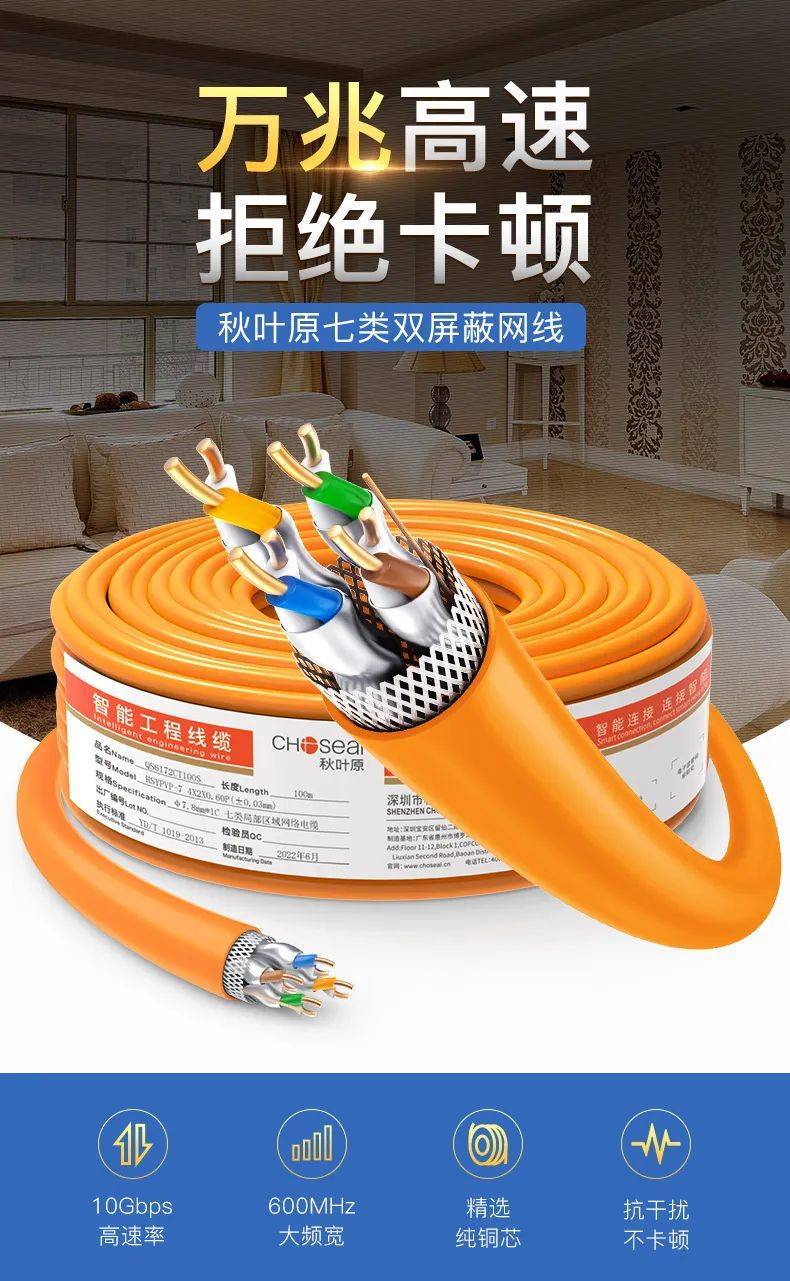
Since network cables are generally made of pure copper, network cables made of pure copper should feel soft and plump when touched and can be easily bent. After being bent, they will slowly recover their original shape. However, some manufacturers add other metal elements to copper during the production of network cables to reduce costs. The resulting wires are harder to bend, have a depressed feel, and do not easily recover their original shape after being bent, which can easily cause wire breakage during use.
2.2 Identify the outer cover of the network cable
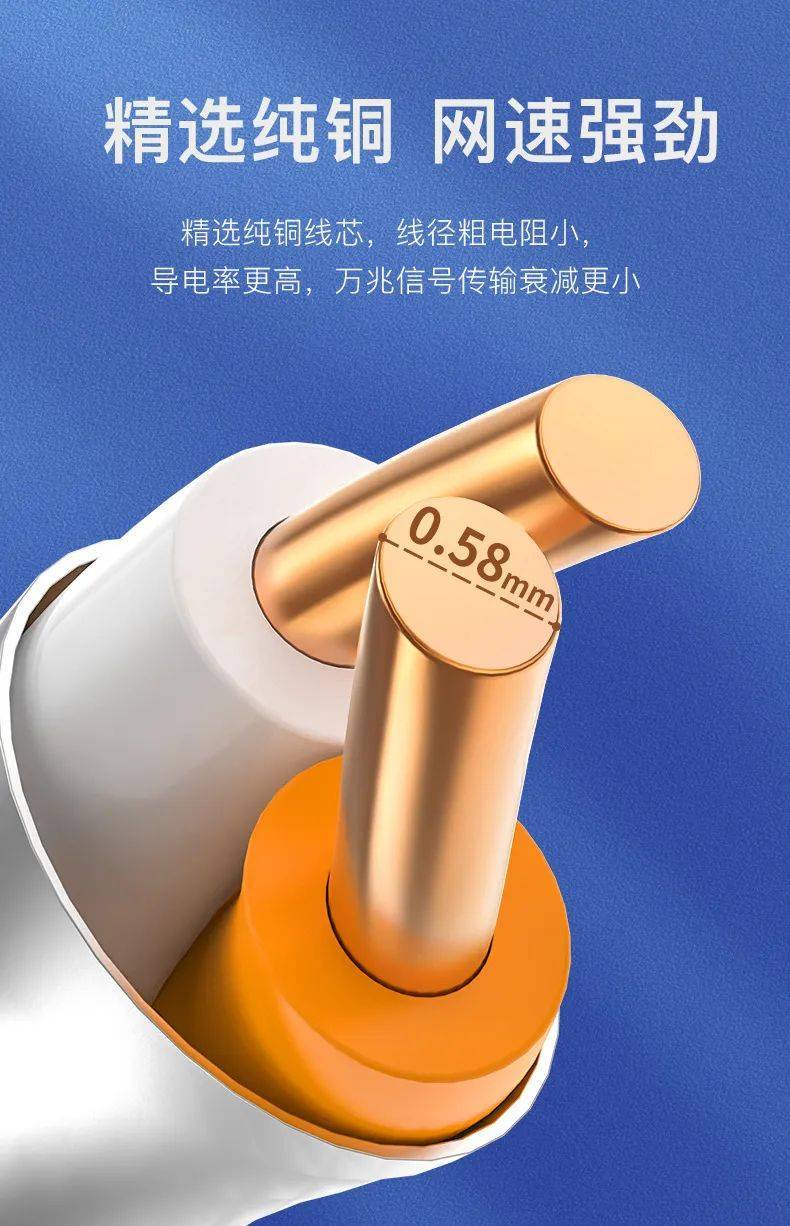
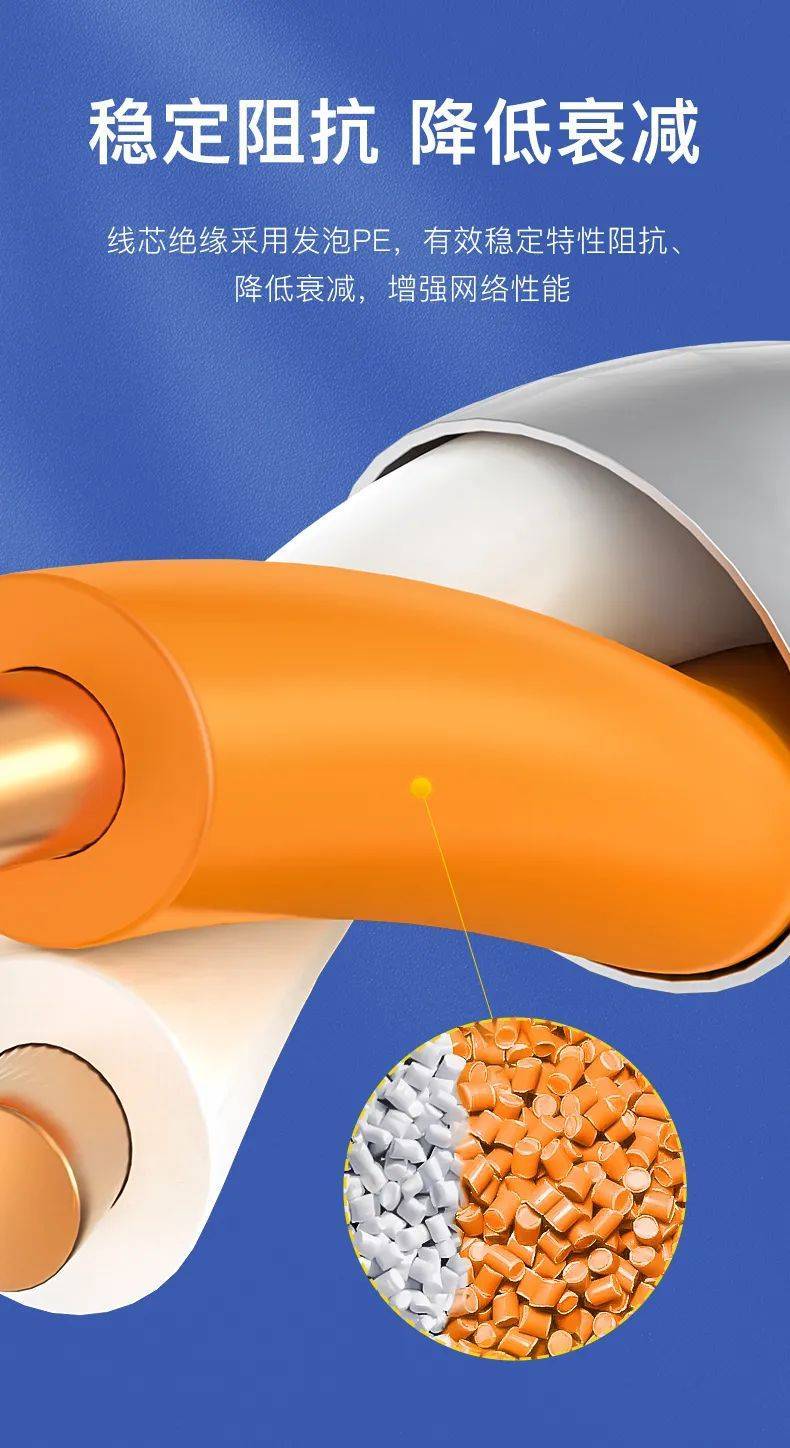
The material used for the outer cover of the network cable is also an important factor affecting its lifespan. Once the outer cover is cracked and the core is exposed, the network cable is easily damaged. Some inferior cables use recycled materials as the outer cover, which not only has an odor but is also prone to aging. In contrast, high-quality network cables use environmentally friendly PVC, which is wear-resistant, resistant to bending and stretching, and more durable.
2.3 Identify the core of the network cable
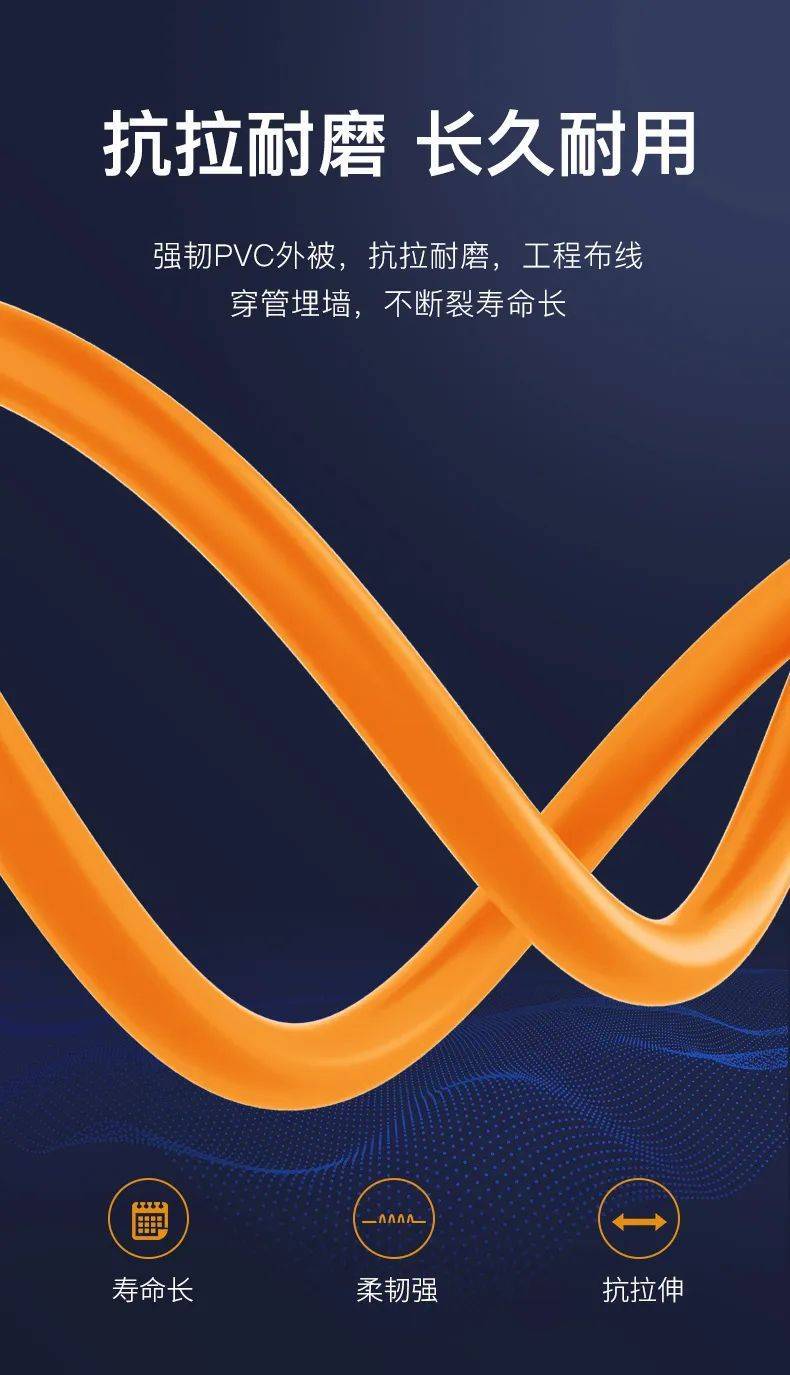
The main material used in commonly used network cables is pure copper. Inferior network cables have copper-clad iron or impure copper cores, while high-quality network cables have oxygen-free pure copper cores, which have low resistance and can transmit signals at high speed. To distinguish between them, a magnet can be used to see if there is any iron present, and a knife can be used to scrape the surface to observe if the color is bright. Dull colors are likely to be impure copper.
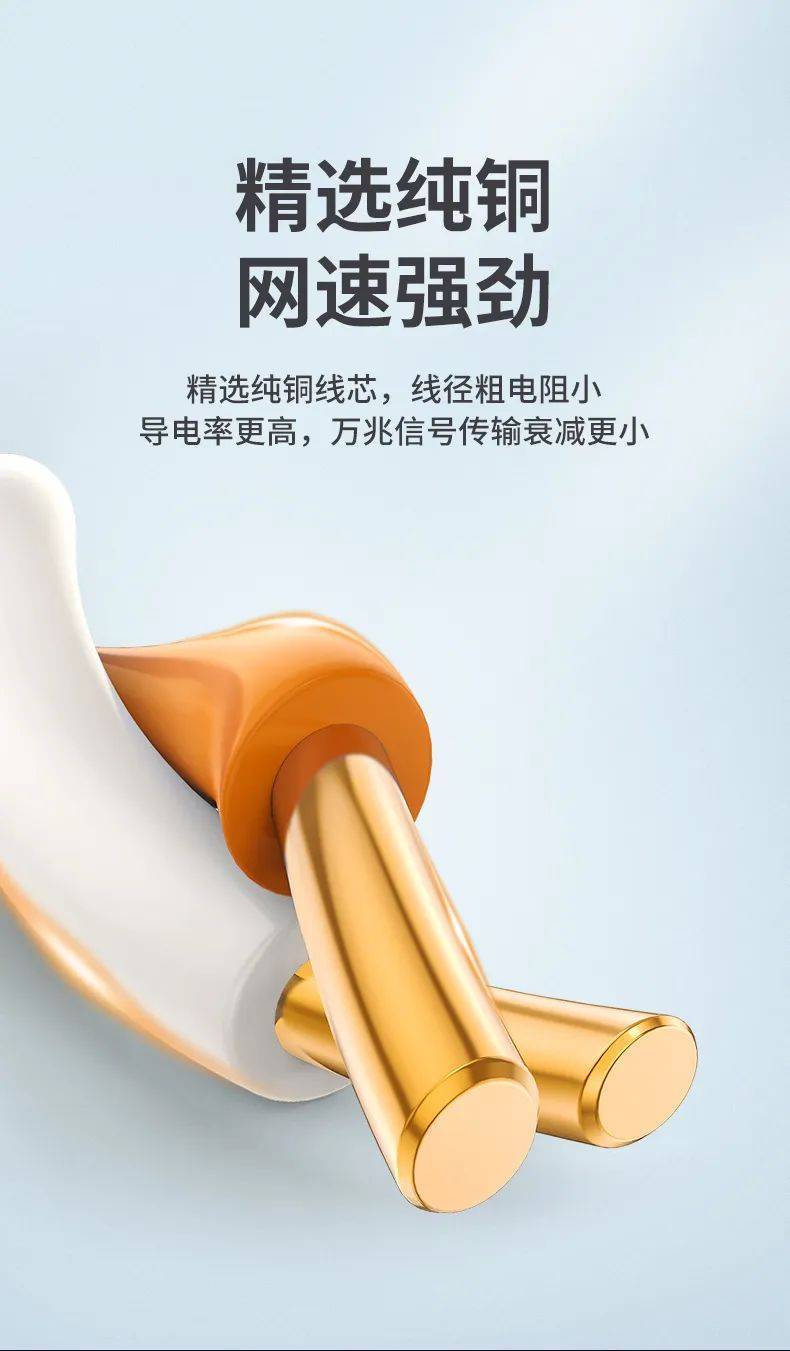
When the surface of a copper conductor is burned, the outer layer turns black, but the inner layer remains yellow. After wiping off the blackened part, the copper will return to its original color. However, if there is iron present, it will remain dark no matter how much it is wiped. The addition of iron to inferior network cables can reduce costs, but it can cause the cable's resistance to being mismatched, shorten the transmission distance, and reduce the transmission speed.
2.4 Judging by network cable resistance
If conditions permit, the most direct method is to use a digital multimeter to measure the relative resistance of the corresponding wires in the network cable and compare the resulting resistance values to determine the quality of the network cable. When measuring the network cable, the single-core copper wire can be wound around the multimeter and the hand can be released, and the resulting resistance is normal. Generally, different materials will have different resistance values.

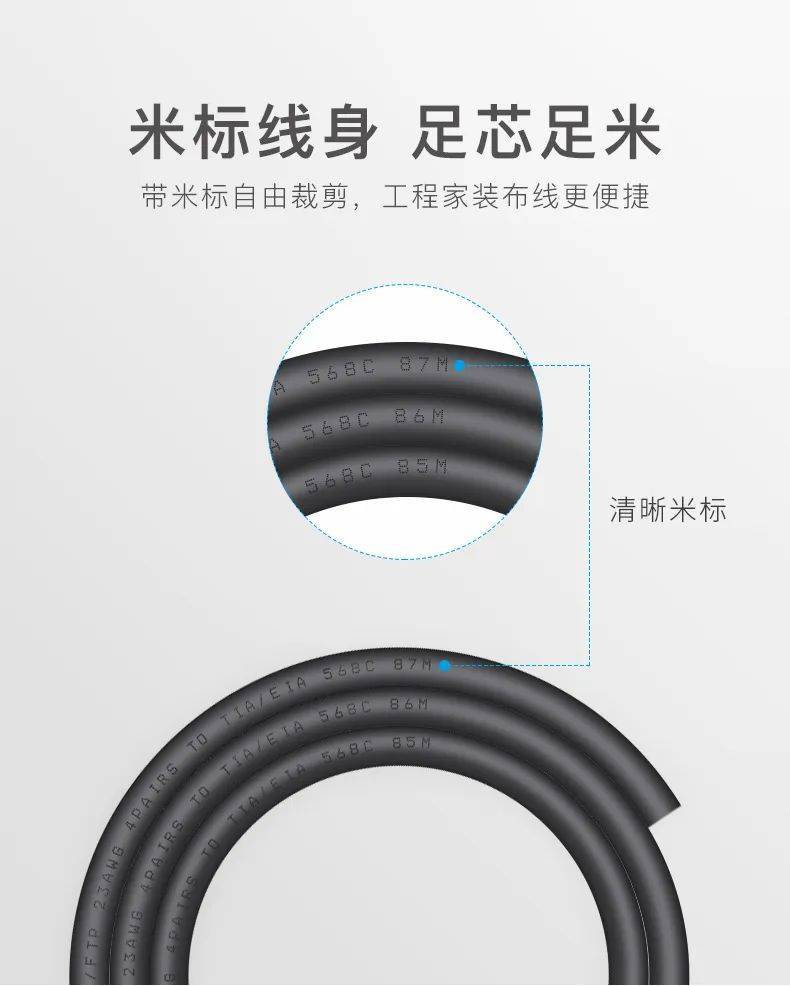
2.5 Judging by the network cable label
Currently, used network cables are often marked on the outer cover with information such as the material, type, and manufacturer of the cable. The label on a high-quality network cable is clear and easy to identify, with no jagged or unclear markings.
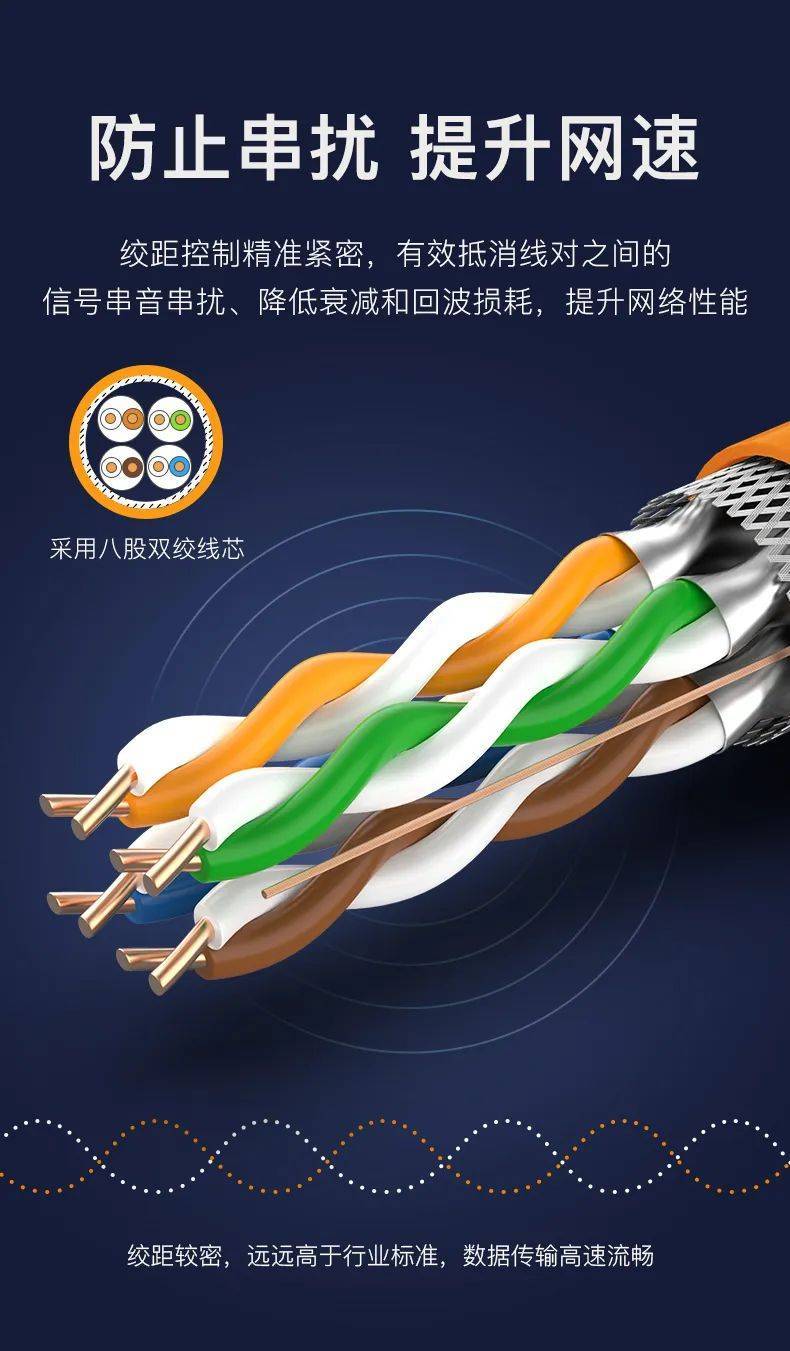
2.6 Judging by the Twist Pitch of Network Cable.
A good network cable is not only tightly and evenly twisted in pairs but also tightly and evenly twisted together among the four groups of wires. When twisted, the cable is full and tight, and the twisted pairs generally form a regular spiral shape. If the twist pitch is tightly and precisely controlled, it can effectively counteract signal interference between wire pairs, and better resist external electromagnetic interference, ensuring the stability of the signal transmission.
With the popularity of the Internet of Things, people's demand for network speed is increasing. The quality of the network cable directly affects the transmission effect. Choosing a high-quality network cable not only results in faster network speeds, but also a longer lifespan. Meanwhile, purchasing network cables throughcobtel.com can help avoid buying inferior products.


