
Boosting Efficiency in Low-Voltage Construction: The Role of Network Tools
Nov 21, 2024
Leave a message

1. What are Network Tools?
With the rapid advancement of the internet, the low-voltage industry's construction practices are increasingly becoming standardized. Specialized network tools are gradually supplanting traditional network construction tools. The advent of network tools is a consequence of network proliferation and has evolved to meet future challenges, becoming more sophisticated and specialized. Network tools are indispensable in the structured cabling industry, offering functionalities that traditional tools cannot match. Therefore, the advent of network tools will provide higher efficiency and more technical support for low-voltage construction.
Common network tools include crimping pliers, punch-down tools (also known as punch-down knives), and wire strippers. These three are essential tools for low-voltage construction and play significant roles. What exactly are these roles?
Network crimping pliers, also referred to as network terminal pliers, are used to attach network or telephone cables to RJ11 or RJ45 connectors. They feature a crimping port for pressing wires, and most crimping pliers also include wire stripping and cutting functionalities. Three-in-one network crimping pliers, offering multiple functions, are durable and are indispensable tools in the information age for modern low-voltage construction. They can make RJ45 network connectors and RJ11 telephone connectors. Integrating all functions of network crimping pliers, they facilitate cutting, crimping, and stripping operations. Made of iron, they are suitable for RJ45 and RJ11 cables, hardened and blackened, lightweight yet sturdy. They are essential tools for modern low-voltage construction.
Punch-down tools are specialized tools for connecting network cables to keystone modules or patch panels. The punching standard follows the 568B specification; they can also be used for connecting telephone cables to telephone modules. Whether the keystone jack is punched at 90 degrees or 180 degrees, they meet the requirements. The advent of punch-down tools has brought more convenience to low-voltage construction. Punching is more precise, eliminating worries about network cables not being fully connected, which can lead to easy disconnection and poor contact.
Wire strippers are used by low-voltage construction personnel to strip the PVC insulation from network cables. They can remove the cut PVC insulation without cutting into the PE insulation of the copper core. There are various types of wire strippers available, and China has established the standard QB/T 2207-2017 to regulate the technical requirements for wire strippers, including materials.
2. Current Development Status of Low-Voltage Construction Standards in China
In China's low-voltage industry, many construction personnel still rely on traditional network tools. Many professionals, due to habit and price, resist the use of new network tools. Therefore, the current situation in China's low-voltage construction is still based on traditional standards. For construction personnel, efficiency is crucial, and they will choose the faster option. However, with the standardization of many technologies in China, more technical tasks will become more standardized. The low-voltage industry will also trend towards standardization in the future, requiring standardized network tools to assist in completing projects more perfectly and ensuring stable transmission and extended lifespan of related equipment.
Currently, the choice of network tools has become a priority for low-voltage construction personnel. A good tool can improve efficiency and ensure construction quality, ensuring the transmission performance of network devices. Some professional construction personnel often report that poor network tools can lead to significant cost consumption. For example, when crimping connectors, the copper pins may not be crimped properly, leading to failed tests during final acceptance. Troubleshooting is a major project, consuming manpower and time that many contractors cannot afford. Punch-down tools and wire strippers also have similar issues, such as improper connection of network cables, leading to disconnection, poor contact, and failed acceptance.
3. Working Principles of Network Tools and Common Construction Issues
3.1 Network Crimping Pliers
To understand the working principle of network crimping pliers, one must start with RJ45, also known as 8P8C, which has 8 slots and 8 contacts. RJ45 is a connector in the cabling system, consisting of a plug (connector, modular plug) and a socket (jack module), with 8 slots and 8 contacts. RJ stands for Registered Jack, meaning "registered socket." In the FCC (Federal Communications Commission standards and regulations), RJ describes the interface of public telecommunications networks. The RJ45 in computer networks is a standard 8-bit modular interface.
The role of crimping pliers is to crimp RJ45 plugs to twisted-pair cables. There are two standards for this process: T568A and T568B. The common termination standard is T568B: white-orange, orange, white-green, blue, white-blue, green, white-brown, brown. The termination of RJ45 is achieved by the mechanical principle of crimping pliers pressing copper pins to break through the PE insulation and contact the copper core, achieving physical connection and signal transmission.
Each crimping plier, whether for RJ45 or RJ11, has two obvious crimping points. The first pressure contact point has 8 teeth, crimping the 8 copper pins of the modular plug, ensuring each pin connects with each copper core.

The copper pins not only contact the copper core but also provide fixation. The second point crimps the retaining clip on the modular plug, securing the entire cable to the modular plug for stability. Therefore, a qualified crimping plier has high precision requirements for these crimping points. Incorrect geometric parameters can lead to physical connection failure or short circuits, which is fatal for construction personnel. Additionally, if the second point is not accurately crimped, the cable cannot be fixed, causing it to easily detach from the modular plug, affecting product lifespan and transmission performance. After crimping, testing is performed to ensure the cable can function normally.
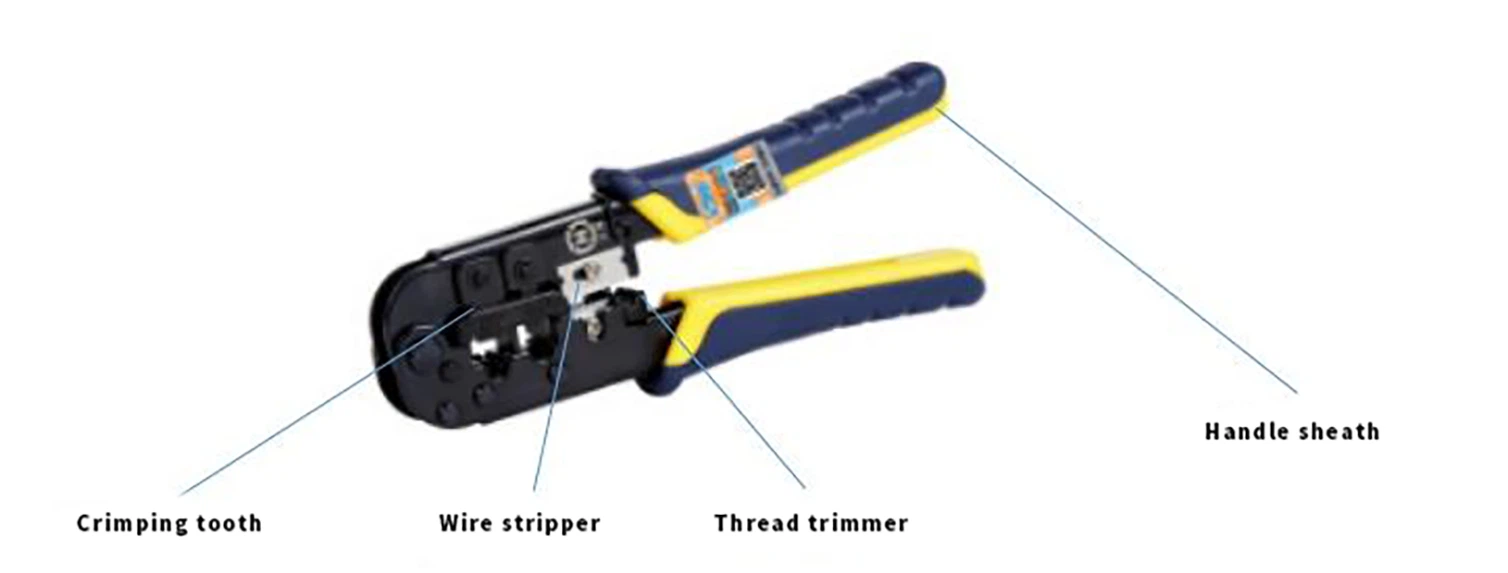
Common crimping pliers on the market have multiple functions, such as RJ45 and RJ11 termination, wire cutting, and stripping. Due to their versatility, they are popular among low-voltage construction personnel. The most popular is Sanbao's HT-568, which can terminate both RJ45 and RJ11. Its features include a lightweight design for convenient construction and a termination method that matches construction personnel's techniques. However, HT-568 has some drawbacks: the handle cover easily detaches, and the mechanical principle of rotating to crimp can cause errors over time.
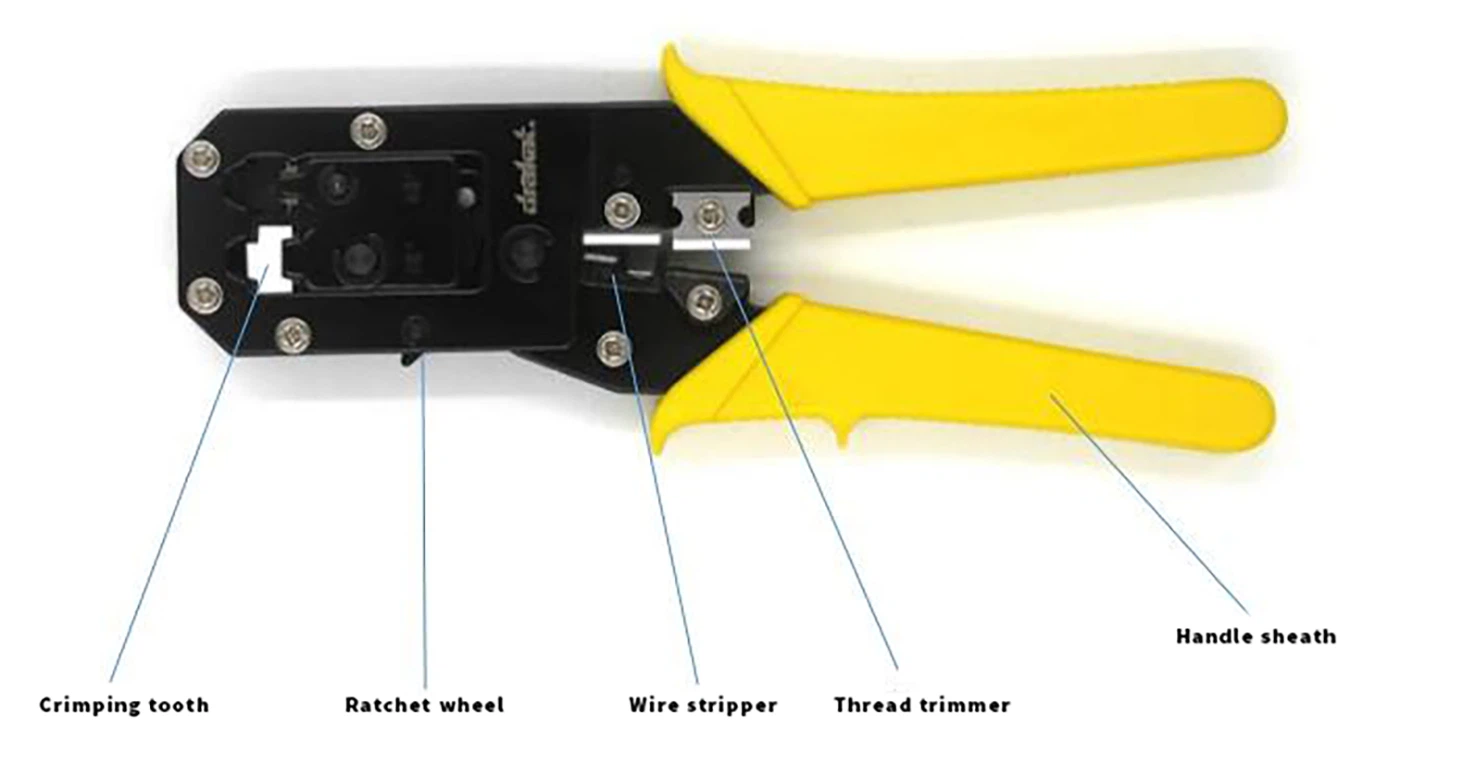
Another common crimping plier is the dual-use ratchet crimping plier, shown in the image below. This plier, also known as a multi-function crimping plier, can terminate RJ45/RJ11, strip, and cut wires. The trend towards multifunctionality in network tools has led to various defects. For this plier, the need for multifunctionality has complicated its structure.
The main structure of this crimping plier is a single-handle mechanical rotation principle. During construction, the crimping method is fixed, requiring unilateral mechanical rotation to drive the transmission component and crimp the modular plugs. Considering the plier's quality, its structure has become more complex. The image below shows the outer shell, handle, ratchet, termination socket, crimping teeth, spring, and numerous connecting parts (screws, connecting pins).
Based on the traditional rotating crimping principle, this crimping plier changes the mechanical principle of the crimping teeth from rotation to linear motion, reducing the crimping error and ensuring precise crimping of the modular plugs, including the first and second crimping points. However, its flaws include the ratchet losing accuracy over time and wear, and the handle cover easily detaching.
3.2 Punch-Down Tools
The primary function of punch-down tools is to connect network cables to modular jacks or patch panels. The connection standards follow T568A and T568B. In the T568A standard, the wire sequence is: white-green, green, white-orange, blue, white-blue, orange, white-brown, brown. In the T568B standard, the sequence is: white-orange, orange, white-green, blue, white-blue, green, white-brown, brown. The commonly used standard is T568B, with corresponding labels on rj45 jacks and patch panels. When using punch-down tools, follow the corresponding labels. Punching requires inserting the network cable into the corresponding slot according to the T568B sequence, adjusting the blade, and punching until the spring rebounds, indicating the cable is fully connected. This also cuts the cable, saving time.
The issue with punch-down tools is that failure to follow the standard may prevent the spring from rebounding, making it impossible to confirm full cable connection, potentially resulting in poor contact. Traditional blade and yellow knife connections cannot compare. Currently, spring rebound issues are common due to insufficient production processes. There are various types of punch-down tools, such as 314B, 324B, 3141A, and the new 110 punch-down knife (shown below).
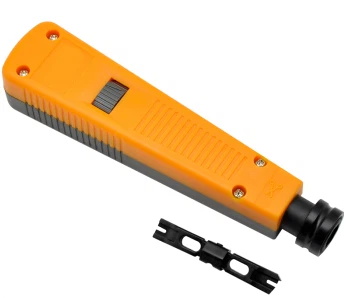
The specifications of punch-down tools vary in size and function. For example, 314B, 324B, and 110 punch-down knives have multi-functional blades with different edges on both ends, and can be replaced according to needs. However, their handle sizes differ, making them uncomfortable to use.
314B and 110 punch-down knives also have adjustable tension. The KD-1 punch-down tool does not have the same variety of functions.

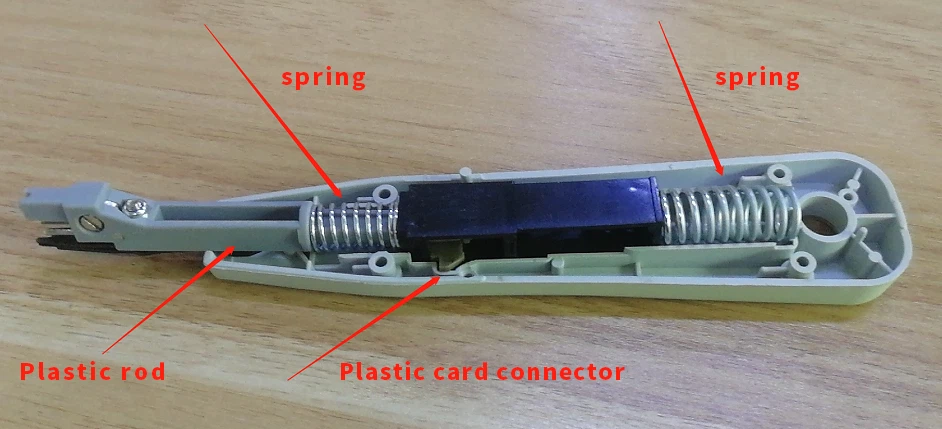
The KD-1 improved the mechanical transmission principle and replaced metal parts with plastic, reducing its weight. Its working principle involves the punch-down knife pressing plastic connectors along an inclined surface, connecting with the blade through a plastic rod, and returning a shock force to the blade under the action of two springs, fully connecting the network cable.
The above is a simple analysis of the working principles of existing punch-down tools on the market, allowing construction personnel to select based on their needs.
3.3 Wire Strippers
A wire stripper may not seem important to low-voltage construction personnel, but its working principle and impact cannot be ignored. Although a blade and a yellow knife can strip wires, their safety risks and shortcomings are evident. For a skilled construction worker, a blade can improve efficiency, but improper force can either fail to strip the wire or damage the copper core, posing a safety hazard. The yellow knife can avoid damaging the copper core but is mainly for stripping the PE insulation. It cannot strip thicker cables. Therefore, the advent of wire strippers is a boon for low-voltage construction personnel.
Wire strippers on the market come in two types: adjustable and non-adjustable blade depth. Non-adjustable blade depth cannot control the stripping depth, potentially cutting through the copper core's PE insulation, causing short circuits and accelerating copper oxidation, sensitive issues in construction.
Shown below is a multifunction wire stripper with adjustable blades. Its striking appearance, comprehensive functions, and dual-spring structure increase pressure. However, those who have used it find it somewhat flashy. Some functions are redundant, and the blade angle is small, making it impractical. Thus, selecting the right wire stripper is crucial.

Through the above understanding, you should have a further grasp of network tools, helping you choose suitable and effective network tools to improve work efficiency.
4. Understanding COBTEL Network Tools
For most people, a network tool may not seem critical, but this notion is incorrect. For example, if 50 connectors are crimped with a crimping plier, and 10 fail acceptance, the cost for a project is significant, affecting the construction personnel's credibility. Therefore, a qualified network tool is crucial.
COBTEL network tools are designed to address existing tool shortcomings and construction personnel pain points, offering a cost-effective solution that meets needs.
4.1 Network Crimping Pliers
Also known as network pliers, their main function is crimping RJ45/RJ11 connectors. Since RJ45 performance indicators include attenuation, near-end crosstalk, insertion loss, return loss, and far-end crosstalk, the crimping quality directly affects connector transmission performance. The mechanical crimping principle must ensure standardized and accurate crimping.
COBTEL crimping pliers are designed based on ergonomics, considering human limb sizes, creating a user-friendly tool. The basic dimensions are 135mm×67mm×20mm, with an ABS completely new materials main frame, reducing the tool's total weight for convenient construction.
The handle is made of carbon structural steel with a PVC completely new materials coating, increasing friction between the hand and the tool.

The pliers have RJ45 and RJ11 crimping ports, suitable for 8P8C and 6P4C, with excellent long-term performance without deformation or inaccuracies.
The RJ45 and RJ11 crimping teeth mechanically press the modular plug from top to bottom, accurately crimping the copper pins and ensuring they are fully connected. The first crimping point ensures no errors, meeting RJ45's attenuation, near-end crosstalk, insertion loss, return loss, and far-end crosstalk standards.
Upon completing the first crimping point, the second point also completes, fixing the cable to the connector. The second crimping point's pressing plate can change its position with the screw to achieve shielded connector crimping; the two-piece shielded connector has a dovetail clip, so the pliers also have a dedicated crimping structure (casting). COBTEL crimping pliers can simultaneously achieve non-shielded and shielded connector crimping, using them is convenient.
With the advent of the 5G era, network transmission requirements will increase, and shielded cables will be more common. COBTEL crimping pliers are prepared for the 5G era.
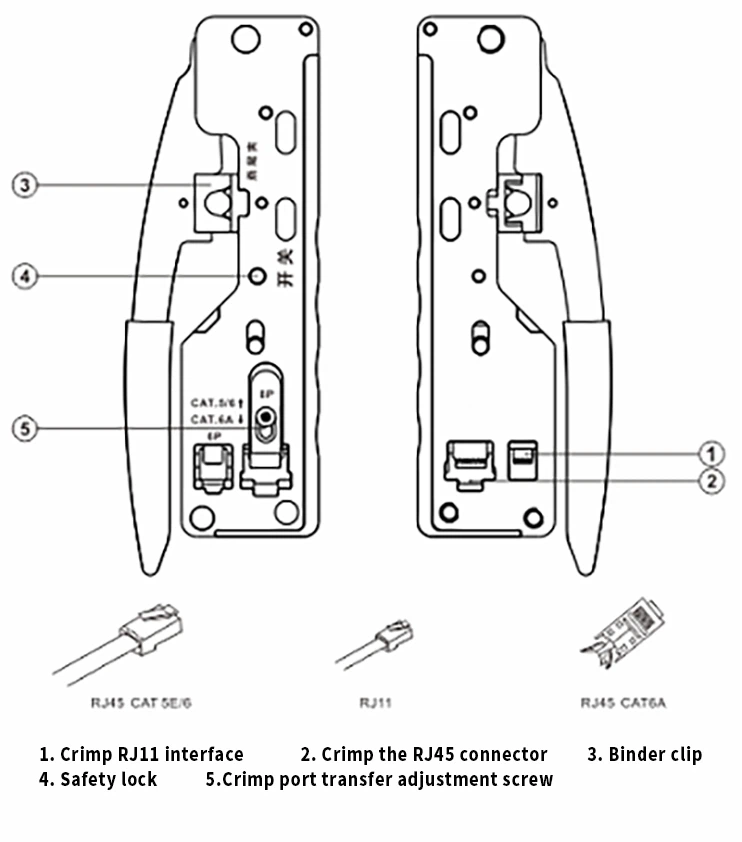
Reminder: When using crimping pliers, understand each structure's function and purpose to prevent unnecessary losses from improper operation.
4.2 Punch-Down Tools
COBTEL punch-down tools, based on construction habits, have good punching performance, 100% spring rebound, and fully connected network cables. The basic dimensions are 140mm×32mm×30mm, with an ABS completely new materials main body, dual-spring structure, additional stop ring, T-shaped block, and conical block. The mechanical connection principle of the spring and T-shaped block uses the T-shaped block's weight to form a shock force, transmitted to the conical block, then to the blade, fully connecting the network cable during punching.
The size design of COBTEL punch-down tools is based on the user and construction object (rj45 module, patch panel) sizes. Modules are relatively small, so the tool size is also designed accordingly. The multi-functional blade can switch functions according to actual construction. One end of the blade has an edge for cutting cables during punching; the other end has no edge, not cutting cables.
4.3 Wire Strippers
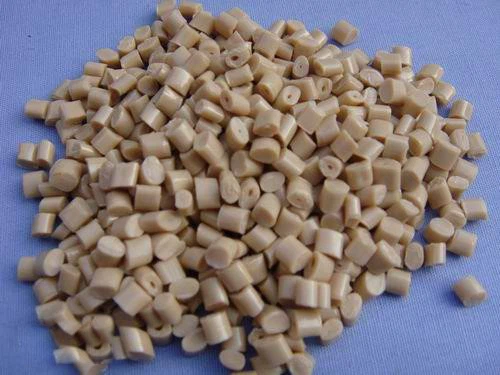
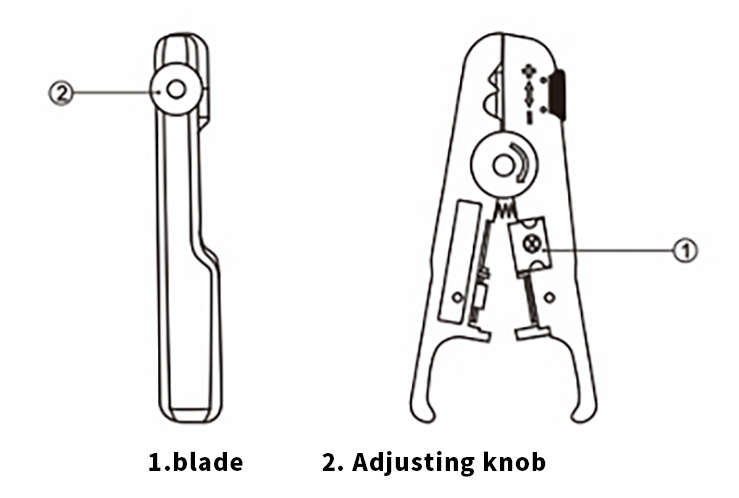
COBTEL responds to the call of the times, combining development needs, launching universal network crimping pliers, and introducing COBTEL wire strippers to effectively utilize crimping pliers. The wire strippers are single-function, lightweight, and convenient for construction. They design adjustable blade depth according to different cable diameters, ensuring no damage to the cable's PE insulation during stripping. The blade is made of SK5 carbon tool steel for stripping network cable outer skin and cutting cables; the plastic is environmentally friendly POM completely new materials.
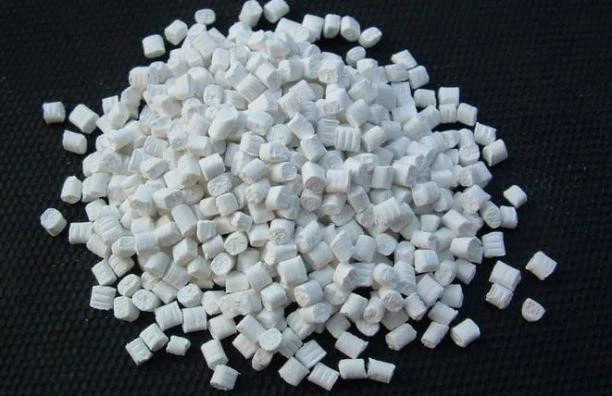
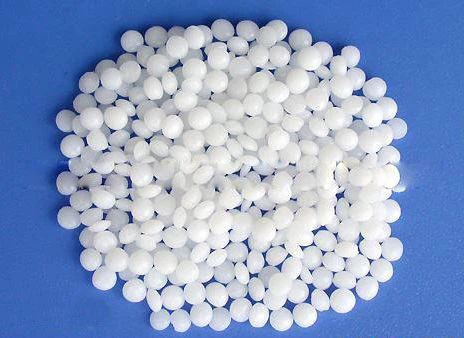
The basic dimensions of COBTEL wire strippers are 113mm×55mm×18mm, suitable for hand sizes. Before use, adjust the blade depth according to the cable diameter, then clamp the cable and rotate counterclockwise 2-3 times to fully strip the cable without cutting the inner PE insulation. Once the PE insulation is cut, it affects cable transmission performance, potentially causing short circuits. COBTEL wire strippers consider these issues from the user's perspective, maximizing satisfaction for construction personnel.
COBTEL conducted long-term market research, testing and verifying the performance of existing network tools on the market; ultimately, combining the advent of the 5G era and actual low-voltage construction needs, they launched these tools to meet construction needs. Whether in quality or price, they meet customer expectations.
Hopefully, this article helps you further understand network tools and their importance, gaining more knowledge to select better network tools, improving construction efficiency and quality.